Quick Answer
A pool maintenance cost guide helps pool owners understand the regular and occasional expenses involved in keeping a swimming pool clean, balanced, and operational. Common costs include chemicals, testing supplies, cleaning equipment, electricity, water, repairs, and professional services. Your actual expenses depend on pool size, equipment, usage, climate, maintenance routine, and whether you handle the work yourself or hire a professional.
What Does Pool Maintenance Cost?
Pool maintenance expenses vary from one pool to another. A small residential pool maintained by its owner may require relatively low ongoing spending, while a larger pool with more equipment and professional service can cost considerably more.
A useful pool maintenance cost guide should therefore consider individual expense categories rather than relying on one fixed monthly figure.
Common expenses include:
- Pool chemicals
- Water testing
- Cleaning supplies
- Electricity
- Water usage
- Filter maintenance
- Equipment repairs
- Professional cleaning
- Seasonal maintenance
Some costs occur regularly, while others may only appear several times a year.
Main Pool Maintenance Expenses
The following table shows the main categories to consider when planning your pool budget.
| Expense | Frequency | What Affects Cost |
| Pool chemicals | Regular | Pool size and usage |
| Testing supplies | Regular | Testing method |
| Cleaning equipment | Occasional | Pool type and condition |
| Electricity | Monthly | Pump and equipment runtime |
| Water | Variable | Evaporation and refilling |
| Filter maintenance | Periodic | Filter type |
| Repairs | As needed | Equipment age and condition |
| Professional service | Weekly or periodic | Service level |
These are expense categories rather than fixed prices because local prices and individual pool conditions can differ significantly.
Chemical Costs
Chemicals are one of the most common recurring pool expenses. Chlorine or another sanitizer is needed to maintain clean water, while pH and alkalinity products may be required when testing shows that an adjustment is necessary.
Chemical consumption depends on several factors, including pool volume, swimmer load, weather, water chemistry, and sanitizer system.
Saltwater pools can have a different chemical cost pattern from traditionally chlorinated pools. Although a saltwater generator produces chlorine, the pool still requires testing and may need products for maintaining balanced water chemistry.
The best approach is to test before adding chemicals rather than following a fixed weekly dose.
Testing and Cleaning Supplies
A pool maintenance cost guide should also account for testing and cleaning equipment.
Testing supplies may include:
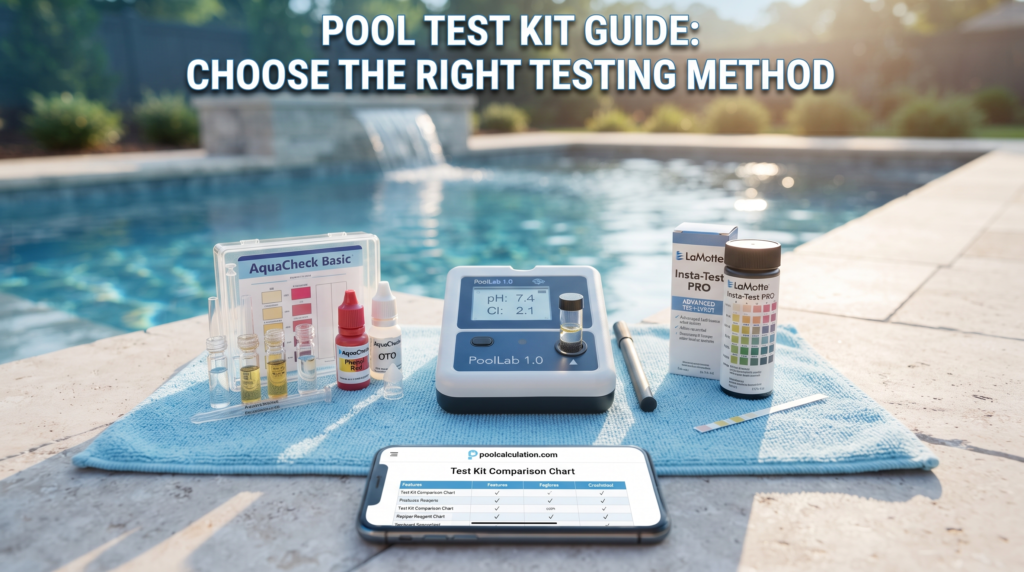
- Test strips
- Liquid test kits
- Digital meters
- Replacement reagents
- Salt testing equipment
Cleaning supplies can include brushes, skimmer nets, vacuums, and other accessories.
These products are not necessarily monthly expenses. Durable equipment may last for years, while consumable testing supplies and replacement parts need to be purchased more frequently.
DIY vs Professional Maintenance
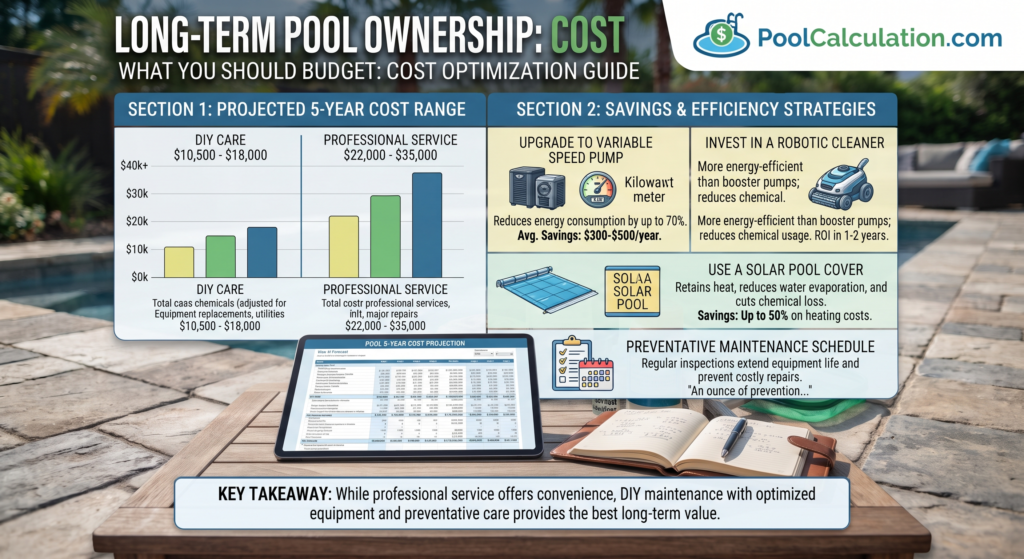
Labor is another major factor in the total cost of maintaining a pool.
DIY Pool Maintenance Cost Guide
Maintaining the pool yourself can reduce service expenses. You can handle routine testing, cleaning, chemical adjustments, and basic equipment checks.
However, DIY care requires consistent time and attention. You need to monitor water chemistry, remove debris, clean baskets, inspect equipment, and respond when test results show that an adjustment is needed.
Professional Pool Service
Professional Pool Maintenance Cost Guide more because you are paying for labor and expertise. Depending on the service plan, a company may handle cleaning, chemical balancing, equipment checks, or other routine tasks.
Before choosing a service, check exactly what the package includes. A cheaper plan may provide fewer services than a more comprehensive option.
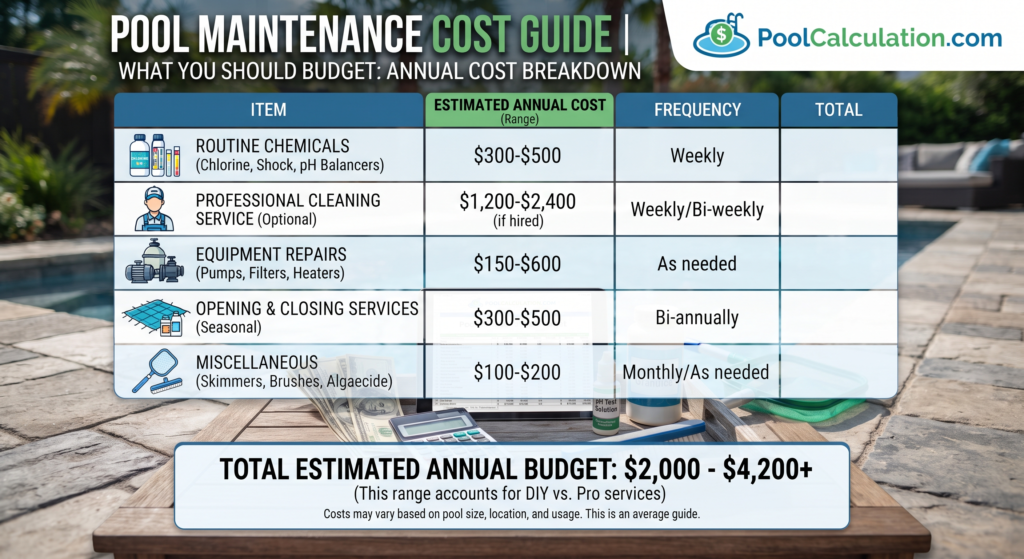
Monthly Pool Maintenance Budget
When creating a monthly pool cost guide, separate regular expenses from occasional costs.
| Cost Category | Type | Example |
| Chemicals | Recurring | Chlorine and pH products |
| Testing | Recurring | Strips or reagents |
| Electricity | Recurring | Pump and filtration |
| Water | Variable | Refilling and evaporation |
| Cleaning tools | Occasional | Brushes and nets |
| Repairs | Occasional | Pump or filter parts |
| Professional service | Recurring | Cleaning and maintenance |
This makes budgeting easier because not every expense needs to be paid every month.
Estimating Chemical Expenses
A pool chemical cost calculator can help estimate how much you may spend on chemicals based on pool volume, product usage, and water chemistry.
Before creating an estimate, consider:
- Pool volume
- Sanitizer type
- Average pool usage
- Weather conditions
- Current water chemistry
- Product concentration
- Frequency of testing
Chemical requirements can change over time. Heavy swimming, high temperatures, rainfall, and water chemistry problems may increase product consumption.
Seasonal Maintenance Costs
Pool expenses can change throughout the year.
During hot weather and periods of heavy use, you may spend more on sanitizer, cleaning, and water. Strong sunlight can also increase chlorine demand, while evaporation may require additional water.
Seasonal expenses may include opening, closing, winterizing, equipment servicing, or repairs.
Planning for these expenses in advance helps prevent unexpected costs from disrupting your regular budget.
Ways to Reduce Pool Maintenance Cost Guide
A pool maintenance cost guide is more useful when it also explains how to control unnecessary spending.
Test Before Adding Chemicals
Testing first helps prevent unnecessary chemical purchases and incorrect adjustments.
Maintain Equipment
Keeping pumps, filters, baskets, and other equipment clean can support proper circulation and reduce avoidable problems.
Clean Regularly
Removing leaves, debris, and buildup regularly can prevent larger cleaning problems later.
Keep Water Balanced
Consistent water testing and appropriate adjustments can help protect pool surfaces and equipment.
Address Problems Early
A small leak, unusual pump noise, poor circulation, or changing water appearance should not be ignored. Early attention can sometimes prevent a more expensive repair.
Hidden Costs to Consider
Another part of pool maintenance cost guide planning is accounting for expenses that do not occur every month.
These may include:
- Replacement filter media
- Pump components
- Heater maintenance
- Pool lighting repairs
- Leak detection
- Water replacement
- Equipment servicing
Setting aside a small reserve for unexpected maintenance can make these expenses easier to manage.
Frequently Asked Questions
What is the biggest recurring pool maintenance expense?
Chemicals, electricity, and professional service can all represent significant recurring expenses. The largest cost depends on your pool and maintenance approach.
Is DIY pool maintenance cheaper?
DIY maintenance can reduce labor costs, but it requires your time and an investment in testing and cleaning equipment.
How can I reduce chemical costs?
Test the water before adding products, use the correct dosage, maintain proper circulation, and avoid unnecessary adjustments.
Does a saltwater pool cost less to maintain?
Not necessarily. Saltwater systems can reduce some manual chlorine handling, but they still require testing, electricity, equipment maintenance, and occasional chemical adjustments.
Should I budget for pool repairs?
Yes. Pumps, filters, heaters, lights, and other components can eventually need maintenance or replacement, even when the pool is properly cared for.
Conclusion
A pool maintenance cost guide helps you understand the full cost of keeping a swimming pool clean, balanced, and operational. Chemicals are only one part of the budget. Testing supplies, cleaning equipment, electricity, water, repairs, and professional service can also contribute to your total expenses.
The best way to control Pool Maintenance Cost Guide is to test regularly, maintain equipment, clean consistently, and address problems early. Separating recurring expenses from seasonal and unexpected costs allows you to create a more realistic maintenance budget and avoid unnecessary spending.